Cataract: Symptoms, Causes, Treatment & Cataract Surgery
Clear vision plays an important role in our everyday life. From reading and driving to recognizing faces and performing routine activities, healthy eyes help us remain independent and confident. However, as we age, changes in the natural lens of the eye can gradually affect vision. One of the most common causes of progressive vision loss is cataract.
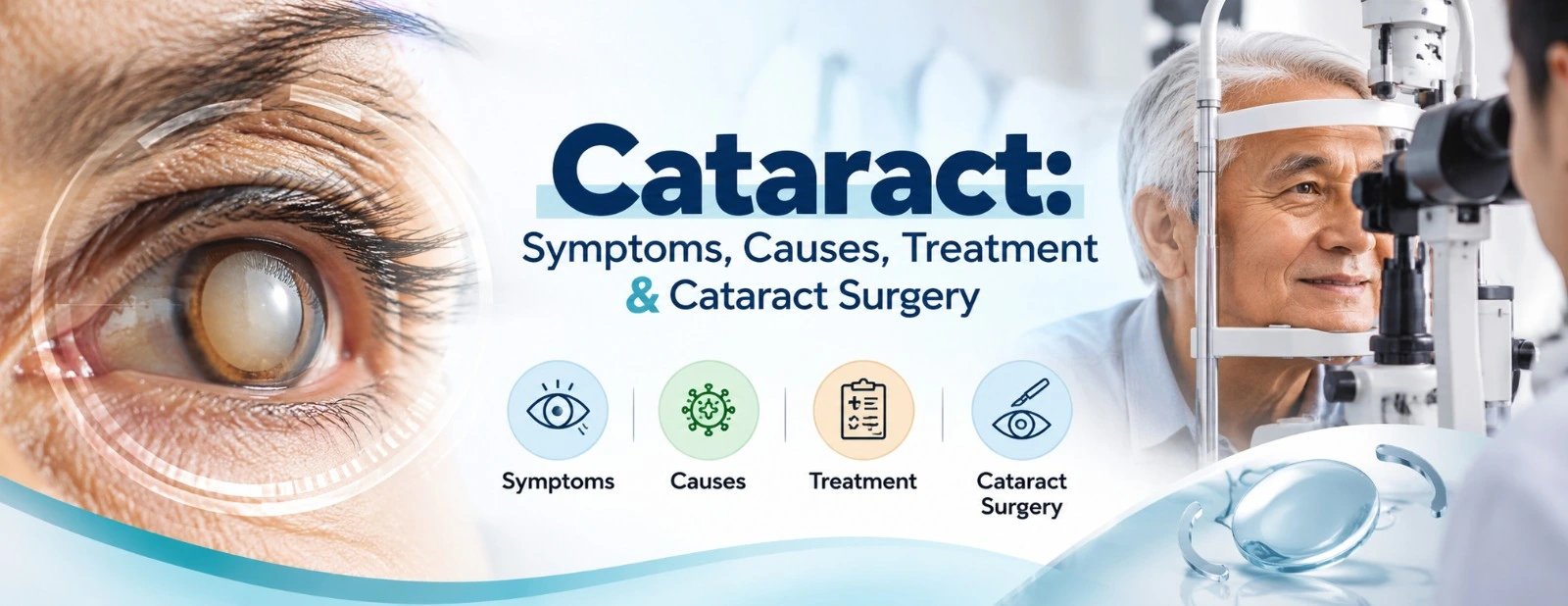
A cataract occurs when the normally clear natural lens inside the eye becomes cloudy. This clouding can gradually make vision blurry. Cataract is one of the leading causes of visual impairment worldwide, and millions of people are affected by it.
The best part is that cataract is treatable. When cataract begins to interfere with daily activities and quality of life, cataract surgery can remove the cloudy natural lens and replace it with an artificial intraocular lens (IOL). If you are looking for cataract surgery in Noida, Indraprasth Eye Tech Eye Clinic offers complete cataract evaluation and treatment under expert ophthalmologists.
What Is a Cataract?
Cataracts usually develop gradually, so many people may not notice significant changes in vision during the early stages. Over time, however, the clouding may become more noticeable and can affect activities such as reading, driving, watching television or recognizing faces.
Cataract is commonly associated with ageing, but it is not limited exclusively to older adults. Cataracts may also occur in younger people due to factors such as eye injury, certain long term medications, diabetes and other medical conditions. Cataracts can also occur in children in some circumstances.
Common Symptoms of Cataract
Cataract symptoms can vary depending on how advanced the cataract is and which part of the lens is affected.
Common symptoms include:
- Blurred or cloudy vision
- Difficulty seeing clearly at night
- Increased sensitivity to bright light
- Glare around headlights or bright lights
- Faded or yellowish appearance of colours
- Difficulty reading, especially in low light
- Frequent changes in spectacle prescription
- Double or ghost images in one eye
- Reduced contrast or clarity of vision
Some people may initially assume that their changing vision is simply due to ageing or an incorrect spectacle number. However, persistent or progressive changes in vision should be evaluated by an eye specialist.
What Causes Cataracts?
- Increasing Age
The risk of developing cataract generally increases with age.
- Diabetes
Diabetes can increase the risk of developing cataract.
- Prolonged UV Exposure
Long-term exposure to ultraviolet radiation may contribute to cataract development. Protecting the eyes from excessive UV exposure is therefore an important part of general eye care.
- Smoking
Tobacco use is associated with an increased risk of cataract.
- Eye Injury
Previous trauma or injury to the eye can sometimes lead to cataract formation.
- Certain Medications
Long-term use of certain medications, including corticosteroids, may increase cataract risk in some people.
Because cataract risk factors can vary from person to person, regular eye examinations are particularly important for people with diabetes, previous eye injuries or other relevant medical conditions.
How Is Cataract Diagnosed?
Cataract cannot be diagnosed reliably based on symptoms alone. A comprehensive eye examination by an ophthalmologist is important.
During an eye examination, your doctor may assess:
- Visual acuity
- Refraction and spectacle power
- Slit lamp examination of eye structures
- The retina and optic nerve examination
- Eye pressure when appropriate
- Other conditions that may affect vision
A detailed examination is important because blurred vision is not always caused by cataract. Conditions such as glaucoma, diabetic retinopathy, retinal disease or other eye problems may also affect vision.
Can Cataract Be Treated Without Surgery?
In the early stages, if cataract symptoms are mild, updating your spectacle prescription and improving lighting may help you manage some visual difficulties.
However, there is currently no medicine or eye drop that can remove an established cataract. Cataract can be removed only through surgery.
The decision to undergo surgery is generally based on how much the cataract is affecting your vision and everyday activities rather than simply waiting for the cataract to become “fully mature.”
When Is Cataract Surgery Recommended?
Cataract surgery may be considered when cataract-related vision problems begin to interfere with your routine activities.
For example, you may find it difficult to:
• Read comfortably
• Drive, particularly at night
• Work on a computer
• Recognize faces clearly
• Watch television
• Move safely in unfamiliar surroundings
• Perform your usual daily activities
Your ophthalmologist can assess your vision, the condition of your eye and the impact of cataract on your daily life before recommending treatment.
What Happens During Cataract Surgery?
During cataract surgery, the cloudy natural lens is removed and replaced with an artificial lens called an intraocular lens (IOL).
The choice of IOL depends on several factors, including the patient’s eye measurements, visual requirements, lifestyle and overall eye health. Your ophthalmologist will discuss the available options and help determine which lens is appropriate for your individual needs.
Modern cataract surgery is done by a process called phacoemulsification (phaco). A detailed pre-operative assessment is therefore an important part of planning safe and effective treatment. Various type of lenses used in surgery are Mono focal lenses, Extended depth of focus (EDOF) lenses, Trifocal and Multifocal lenses.
Is Cataract Surgery Safe?
Cataract surgery is performed routinely worldwide and is generally considered a safe and effective procedure. However, as with any surgical procedure, potential risks and complications exist.
The expected outcome can also depend on the health of the rest of the eye. For example, conditions affecting the retina, optic nerve or cornea may influence the final visual result.
This is why a comprehensive examination before surgery is important rather than evaluating the cataract alone.
What Can You Expect After Cataract Surgery?
Recovery varies from person to person. Some patients notice an improvement in vision relatively quickly, while the eye may take additional time to stabilize.
Your ophthalmologist will provide specific instructions regarding:
- Prescribed eye drops
- Follow-up examinations
- Eye protection
- Bathing and hygiene
- Physical activities
- Driving
- Returning to work
- Any restrictions during the healing period
It is important to follow your surgeon’s instructions carefully and attend scheduled follow-up visits.
After cataract surgery, some people may still require glasses for certain activities, particularly if there is residual refractive error or for specific near-vision tasks.
Can Cataracts Be Prevented?
Age-related cataract cannot always be prevented. However, maintaining good overall health and reducing certain risk factors may help protect eye health.
Some useful measures include:
- Protecting your eyes from excessive UV exposure
- Avoiding smoking
- Managing diabetes and other health conditions
- Using protective eyewear when there is a risk of eye injury
- Having regular eye examinations
- Seeking medical advice before using medications for long periods
A healthy lifestyle and regular eye care can help identify cataract and other eye conditions at an appropriate stage.
Common Myths About Cataract
Myth 1: Cataract must become completely mature before surgery.
Fact: Surgery does not necessarily need to be delayed until a cataract becomes very advanced. The timing depends largely on how the cataract affects vision and daily activities.
Myth 2: Cataract can be removed with eye drops.
Fact: Established cataract cannot be removed with eye drops. Surgical removal of the cloudy lens is the definitive treatment.
Myth 3: Cataract happens only because of old age.
Fact: Age is the most common risk factor, but cataracts can also occur due to diabetes, eye injury, certain medications and other factors.
Myth 4: Every person with cataract has the same symptoms.
Fact: Symptoms and their severity can vary depending on the type, location and progression of the cataract.
When Should You See an Eye Specialist?
Do not ignore gradual changes in vision simply because they seem to be a normal part of ageing.
You should consider an eye examination if you notice:
- Increasingly blurred vision
- Difficulty seeing at night
- Significant glare
- Faded colours
- Frequent changes in spectacle power
- Difficulty reading or performing routine activities
- Progressive reduction in vision
An eye examination can determine whether cataract is responsible or whether another eye condition may be contributing to your symptoms.
Frequently Asked Questions About Cataract
- What is the first sign of cataract?
Early cataract may cause subtle changes such as slightly blurred vision, glare, difficulty seeing at night or colours appearing less vivid. However, symptoms can vary.
- Can cataract cause blurred vision?
Yes. Blurred, cloudy or dim vision is one of the common symptoms of cataract.
- Can cataract cause difficulty seeing at night?
Yes. Cataract can cause difficulty with night vision and increased glare, particularly from headlights and other bright lights.
- Is cataract surgery necessary for everyone?
Not necessarily immediately. If cataract symptoms are mild and do not interfere significantly with daily activities, your ophthalmologist may recommend monitoring the condition. Surgery may be considered when cataract begins to affect your quality of life or routine activities.
- Can cataract come back after surgery?
The natural cataract itself does not grow back because the cloudy natural lens has been removed. However, the capsule behind the artificial lens can sometimes become cloudy later, causing hazy vision. This condition can often be treated with a laser procedure called YAG laser capsulotomy.
- How often should I have an eye examination?
The appropriate frequency depends on your age, eye health, medical history and risk factors. People experiencing new or progressive changes in vision should not wait for a routine appointment and should seek an eye examination.
Worried About Your Vision? Get Your Eyes Checked Today
Blurred vision, glare or night-driving difficulty should never be ignored. A timely eye examination can tell you whether cataract or another eye condition is the cause and what the right treatment is for you.