Why Your Child Needs Regular Eye Checkups for Healthy Development
Most parents diligently schedule pediatrician visits, dental cleanings, and vaccination appointments — but a children eye checkup often slips down the priority list. Yet vision problems in children are far more common than many realize, and they can quietly affect learning, behavior, and confidence long before anyone notices something is wrong.
At EyeTech, we regularly see parents surprised to learn just how many learning and behavior issues actually trace back to undetected vision problems — which is exactly why routine eye exams deserve a permanent spot on your child’s health calendar.
Why It's So Important
Roughly 80% of what a child learns in their early years comes through good vision. Without timely screening, vision problems often masquerade as:
- Poor academic performance or trouble reading
- Short attention span or difficulty concentrating
- Clumsiness or poor hand-eye coordination
- Headaches or eye strain
- Reluctance to read or do close-up work
Catching these issues early — ideally before school age — makes a significant difference. Many childhood vision problems, like lazy eye (amblyopia) or crossed eyes (strabismus), are far easier to correct when treated young, while the visual system is still developing. Left unaddressed, they can lead to permanent vision loss in one eye.
Recommended Exam Schedule
Eye care experts generally recommend the following timeline:
- First exam: 6 months old – Pediatricians or eye doctors check for basic eye health, movement, and alignment.
- Second exam: 3 years old – This checks the visual acuity and screens for issues like lazy eye or misalignment.
- Before starting school: 5–6 years old – A thorough exam ensures your child is ready for the visual demands of reading and classroom work.
- Every 1–2 years after that – Regular monitoring throughout school years, or sooner if issues are suspected.
Children with a family history of vision problems, premature birth, or existing developmental concerns may need more frequent or earlier visits — always best confirmed with a pediatric ophthalmologist.
Signs Your Child Might Need an Eye Exam Sooner
Keep an eye out for:
- Sitting too close to the TV or holding books very near the face
- Frequent eye rubbing or excessive blinking
- One eye that wanders or doesn’t track with the other
- Squinting or tilting the head to see better
- Complaints of headaches, especially after reading or screen time
- Covering one eye or closing an eye to focus
If you notice any of these, don’t wait for the next scheduled visit — book an appointment with an eye care professional right away.
What Happens During the Exam
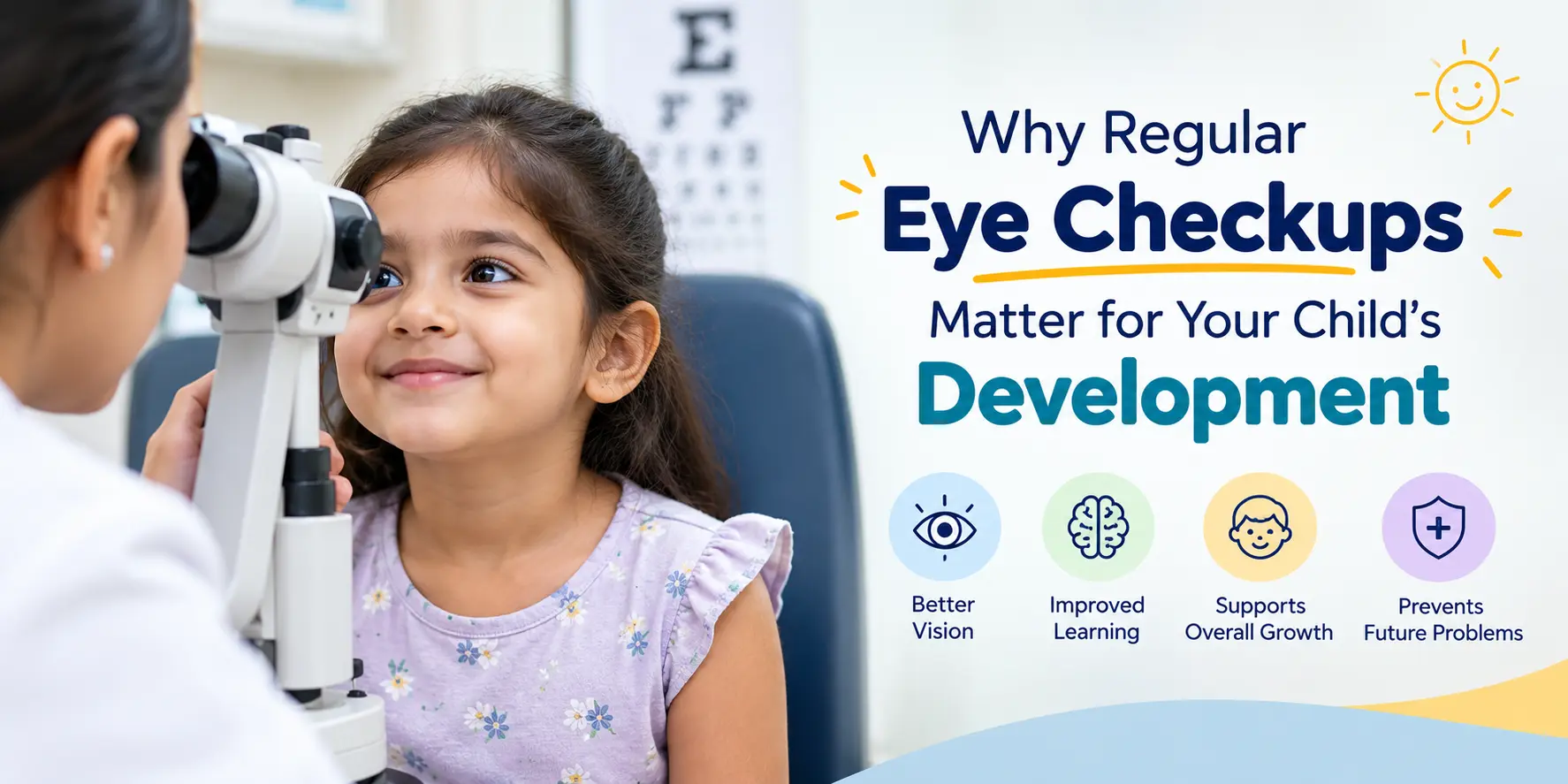
A pediatric eye exam is usually quick and painless, tailored to the child’s age. It typically includes:
- Visual acuity test – Reading letters or matching pictures from a distance
- Eye alignment and movement check – Making sure both eyes work together
- Refraction test – Checking for nearsightedness, farsightedness, or astigmatism
- Eye health evaluation – Examining the internal structures of the eye, including the retina
Good pediatric eye doctors know how to make the process feel like a game rather than a test, which helps reduce anxiety for younger children.
Protecting Your Child's Eyes Every Day
Beyond checkups, a few everyday habits go a long way in supporting healthy vision:
- Encourage outdoor play — natural light exposure is linked to lower risk of nearsightedness.
- Follow the 20-20-20 rule for screen time: every 20 minutes, look at something 20 feet away for 20 seconds.
- Ensure good lighting when reading or doing homework.
- Provide a balanced diet rich in vitamin A, omega-3s, and leafy greens.
Frequently Asked Questions
At what age should my child have their first eye checkup?
Most eye care experts recommend the first exam around 6 months of age, followed by another at age 3, and again before starting school at 5–6 years old.
How do I know if my child has a vision problem if they’re too young to tell me?
Watch for behavioral clues — sitting too close to the TV, squinting, head tilting, frequent eye rubbing, or one eye that seems to wander. These are often the earliest signs, even before a child can describe the problem themselves.
Is it normal for young children to fail a vision screening at school?
Not necessarily “normal,” but not uncommon either. A school screening is a basic check, not a full diagnostic exam. If your child doesn’t pass, it’s important to follow up with a comprehensive exam from a pediatric eye specialist.
Can too much screen time damage my child’s eyes?
Screen time itself doesn’t cause permanent damage, but extended, uninterrupted use can lead to digital eye strain and has been linked to a higher risk of nearsightedness. The 20-20-20 rule and regular outdoor time help offset this.
What’s the difference between a school vision screening and a full eye exam?
A school screening only checks visual acuity. A full exam, like the ones offered at EyeTech, includes a slit lamp examination, retina checkup, eye muscle checkup, and eye pressure checkup — giving a complete picture of your child’s eye health.
How often should my child get their eyes checked after the initial exams?
Generally every 1–2 years, unless your eye doctor recommends more frequent visits based on family history or an existing condition.
Are pediatric eye exams painful or scary for kids?
No — most exams are quick, painless, and designed to feel more like a game than a medical test, especially at clinics experienced in working with young children.
Final Thoughts
A children eye checkup plays a foundational role in how kids learn, play, and grow. Since children often don’t recognize or articulate vision problems themselves, it’s up to parents and caregivers to stay proactive. Book your child’s next eye exam with EyeTech and give them the clearest possible view of the world around them.