
Retinopathy of Prematurity (ROP): Screening, Diagnosis and Treatment
Retinopathy of Prematurity (ROP) is an eye condition that affects the developing retina of premature babies. Early detection through timely eye screening is important because severe ROP can lead to retinal detachment and permanent vision loss if left untreated.
At Indraprasth Eye Tech Clinic, Noida, parents can seek information and guidance regarding retinal health, the importance of ROP screening, and appropriate next steps for their baby’s eye care. The examination and management plan should be determined by an ophthalmologist experienced in ROP care.
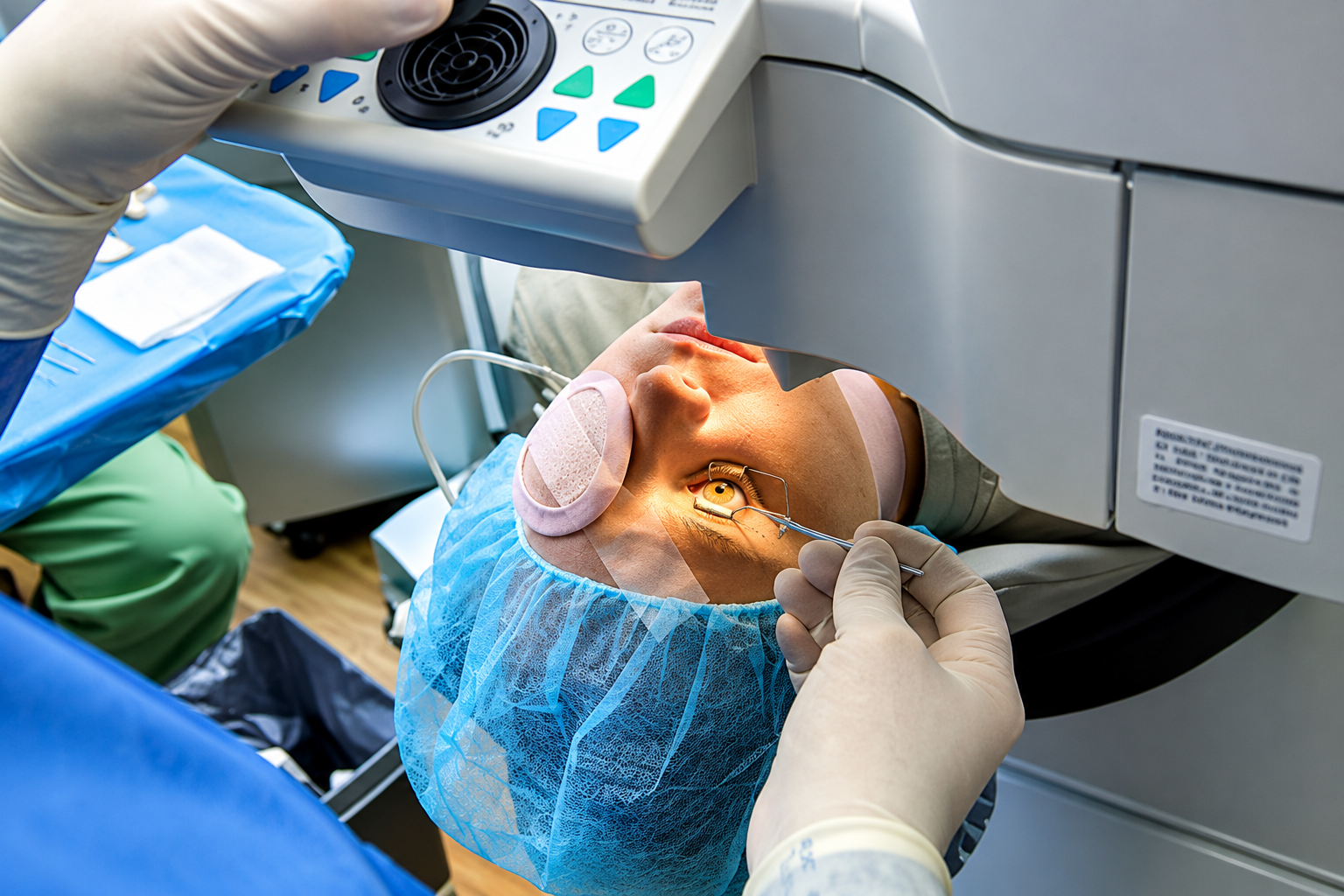
What Is Retinopathy of Prematurity (ROP)?
The retina is the light-sensitive tissue at the back of the eye that helps the brain process visual information. In premature babies, the retinal blood vessels may not have completed their normal development.
ROP occurs when these blood vessels develop abnormally. In mild cases, the condition may resolve as the baby’s eyes develop. However, in more severe cases, abnormal blood vessel growth can cause scarring, retinal detachment and significant vision impairment.
ROP may not cause noticeable symptoms in its early stages. Therefore, timely screening is essential for babies who are at risk.
What Causes Retinopathy of Prematurity?
ROP is associated with the incomplete development of retinal blood vessels in babies born prematurely. Several factors may increase the risk of developing this condition, including:
- Premature birth: Babies born before their expected due date have less-developed retinal blood vessels.
- Low birth weight: Babies with a low birth weight have a higher risk of developing ROP.
- Oxygen and respiratory support: The management of oxygen levels after birth can influence retinal blood vessel development.
4.Other neonatal complications: Conditions such as respiratory distress, infections and an unstable medical condition may increase the risk.
Not every premature baby develops ROP, and the severity can vary. An appropriate screening plan helps identify babies who need monitoring or treatment.
Which babies need ROP Screening?
ROP screening is recommended for premature and low-birth-weight babies who meet established screening criteria. In India, screening recommendations may include babies born before 34 weeks of gestation or weighing less than 2,000 grams at birth. Some babies born later or with a higher birth weight may also require screening if they have additional risk factors or an unstable clinical course.
The exact eligibility criteria and timing of the first examination should be determined by the baby’s neonatologist and an ophthalmologist experienced in ROP screening, following applicable Indian guidelines.
Important: Parents should not wait for visible eye symptoms before arranging screening. ROP can progress without obvious external signs.
What Are the Symptoms of ROP?
Early-stage ROP usually has no noticeable symptoms that parents can identify at home. The condition is diagnosed through a specialised examination of the retina.
In advanced cases, possible signs of associated eye problems may include:
- An unusual white appearance in the pupil.
- Eyes that appear misaligned.
- Difficulty focusing or following objects as the child grows.
- Reduced visual responsiveness.
These signs do not confirm ROP and may occur with other eye conditions. Any unusual visual behaviour or appearance of the eyes should be evaluated by an eye specialist.
How Is Retinopathy of Prematurity Diagnosed?
ROP is diagnosed through a detailed retinal examination performed by an ophthalmologist with appropriate training in ROP care.
The assessment may include:
- Review of birth and medical history
The doctor reviews the baby’s gestational age, birth weight, neonatal intensive care history and other relevant medical details.
- Dilated retinal examination
Eye drops are used to dilate the pupils so that the retina and its developing blood vessels can be examined.
- Retinal imaging, when indicated
Specialised retinal imaging may be used to document retinal findings and support assessment, where appropriate equipment and trained personnel are available.
- Follow-up examinations
ROP can change as the baby grows. Repeat examinations are scheduled according to the retinal findings and the baby’s age until the ophthalmologist determines that screening can safely stop.
What Are the Treatment Options for ROP?
Treatment depends on the severity, location and progression of ROP. Some babies require regular monitoring, while others need prompt intervention to reduce the risk of vision loss.
- Observation and Regular Monitoring
Mild ROP may improve naturally without treatment. However, regular retinal examinations are necessary to ensure that the condition is not progressing.
- Laser Treatment
Laser photocoagulation may be recommended for treatment-requiring ROP. It targets selected areas of the peripheral retina to reduce the signals responsible for abnormal blood vessel growth.
- Anti-VEGF Injections
In selected cases, an ophthalmologist may recommend an anti-VEGF medicine injected into the eye to control abnormal blood vessel growth. The choice of medicine, potential risks and long-term follow-up requirements should be discussed with the treating specialist.
- Retinal Surgery
Advanced ROP that causes retinal detachment may require specialised vitreoretinal surgery. The appropriate procedure depends on the extent of retinal damage and the baby’s individual condition.
Treatment decisions must be individualised. When treatment is indicated, it may be time-sensitive. Parents should follow the treating ophthalmologist’s instructions and avoid delaying recommended care.
Why Is Early ROP Screening Important?
Timely screening helps identify retinal changes before they cause noticeable visual problems. Early diagnosis allows doctors to monitor the condition and provide treatment when necessary.
The benefits of appropriate screening and follow-up include:
- Detecting abnormal retinal blood vessel development.
- Identifying babies who need closer monitoring.
- Recognising disease that requires urgent treatment.
- Reducing the risk of severe vision loss through timely intervention.
- Supporting long-term eye health and visual development.
Even after ROP has resolved or received treatment, some children may remain at risk of refractive errors, squint, lazy eye or other retinal problems. Regular eye examinations may therefore be needed as the child grows.
Follow-Up Care After ROP Screening or Treatment
Follow-up is an essential part of ROP management. The frequency of visits depends on the examination findings, the type of treatment received and the baby’s stage of development.
Parents should:
- Attend every scheduled retinal examination.
- Follow the recommended treatment and review schedule.
- Keep the baby’s birth records and previous eye examination reports.
- Inform the ophthalmologist about any new concerns regarding the baby’s vision or eye appearance.
- Continue age-appropriate eye examinations as advised, even after the initial ROP screening period.
Missing a scheduled examination may delay the detection of disease progression. If a baby has been advised to undergo urgent screening or treatment, parents should contact the treating team promptly.
Benefits And Limitations Of Refractive Surgery
For appropriately selected patients, refractive surgery may improve uncorrected distance vision and reduce dependence on spectacles or contact lenses.
However, results vary between individuals. Surgery does not guarantee freedom from glasses, and some patients may still require spectacles for certain activities or reading, particularly as age-related changes develop.
Refractive surgery also does not prevent every future eye condition or eliminate the need for routine eye examinations.
Frequently Asked Questions About Retinopathy of Prematurity
Not every case of ROP can be prevented. However, appropriate neonatal care, careful monitoring of oxygen therapy and timely retinal screening can help reduce the risk of severe vision loss.
The timing depends on gestational age, birth weight, medical history and the applicable screening protocol. In India, the first examination is often planned around 2–4 weeks after birth, depending on the baby’s risk profile and clinical circumstances. Parents should obtain a specific screening date from the neonatologist or ROP specialist before hospital discharge.
No. Many premature babies do not develop ROP, and some who do develop only mild disease. Screening is important because it is not possible to determine the severity from a baby’s appearance alone.
Yes. Some cases resolve naturally and require only monitoring. More severe cases may need treatment to reduce the risk of retinal detachment and permanent vision loss.
The examination can cause temporary discomfort. The medical team may use pupil-dilating drops, appropriate comfort measures and other measures according to the baby’s needs and the screening protocol.
Severe untreated ROP can cause retinal detachment and permanent vision loss. Timely screening, appropriate treatment and continued follow-up can help reduce this risk.
Yes. Follow-up is important to assess the response to treatment, detect recurrence or progression when relevant, and monitor for other eye conditions as the child grows.
No. Early ROP generally has no visible symptoms. A specialised retinal examination is necessary to diagnose the condition.
Yes. Depending on the baby’s history and clinical findings, further examinations may be recommended to assess vision, refractive errors, eye alignment and retinal health.
Contact the baby’s neonatologist or an ophthalmologist experienced in ROP care as soon as possible. Do not wait for symptoms to appear, particularly if the screening or treatment was previously advised as urgent.
Working Hours
- Monday
- Tuesday
- Wednesday
- Thursday
- Friday
- Saturday
- Sunday
- 9 am to 7 pm
- 9 am to 7 pm
- 9 am to 7 pm
- 9 am to 7 pm
- 9 am to 7 pm
- 9 am to 7 pm
- Off